Published: March 27, 2026 · Last updated: April 30, 2026
Architecture is the cleanest way to read this place's history and where its wealth has flowed. Post-war ranch estates, minimalist glass houses, and the traditions in between each carry an era's wealth-formation logic and a way of living. Reading the architecture is partly aesthetic — and partly the foundation of any informed estate decision.
Five Silicon Valley estate traditions
Each carries a buyer profile, a community concentration, and a distinct investment thesis.
Estate Ranch
Reference Price Range
$8M – $30M+
Single-story estate ranches set on broad acreage — long horizontal lines, generous indoor-outdoor living. The signature of early Silicon Valley wealth, still the most sought-after classic in Atherton and Los Altos Hills.
Estate Ranch emerged in the post-war Silicon Valley boom as tech pioneers and academic principals acquired large Peninsula parcels and built low, horizontal structures expressing California living. Properties typically sit on 1–5 acres, with primary structures over 5,000 sf, broad pool areas, stables, or tennis courts. Architect-led renovations today often pair original beam ceilings with modern open kitchens — a pairing of historical texture and current comfort that holds collector value.
Investment Note
Land scarcity drives value; high renovation potential; long-term appreciation steady.
Architectural Features
Where to Find Them
Mediterranean / Spanish Colonial
Reference Price Range
$5M – $25M+
Terra-cotta tile roofs, stucco facades, arcades, and courtyard fountains — Southern European design meeting California sun. Interiors run high ceilings, wrought-iron detailing, and hand-painted tile to layered, warm grandeur.
Mediterranean is California's perennial classic. Terra-cotta tile roofs and white stucco walls catch sun beautifully. Hillsborough's Mediterranean estates are particularly famous — original 1920s–1940s examples remain well preserved and read as architectural history. The 1990s revival generation kept the aesthetic core while adding broader floor plans and modern systems.
Investment Note
1920s–40s originals carry historic-preservation value with distinct appreciation logic; revival-era examples favor owner-occupiers.
Architectural Features
Where to Find Them
Modern Contemporary
Reference Price Range
$10M – $50M+
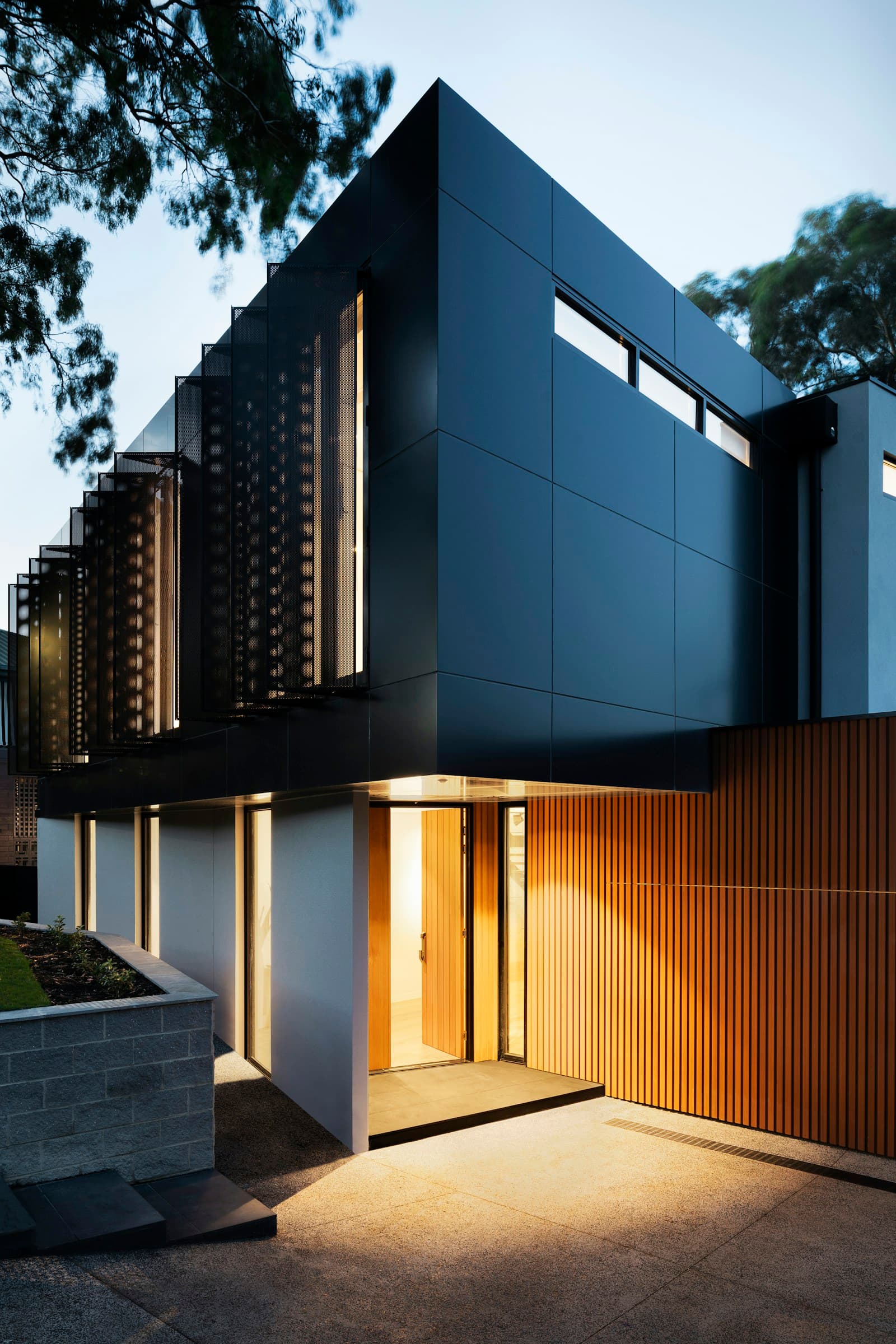
Glass curtain walls, exposed concrete, open plans that erase the indoor-outdoor edge. Daylight, restraint, and integrated smart-home technology — the language of the post-2010 tech-wealth generation.
Modern Contemporary surged in the 2010s alongside Silicon Valley's tech-wealth boom. These houses are typically architect-customized with museum-grade material specifications. The aesthetic is dissolution of boundary — interiors and gardens connect through full-glass sliding panels; pool decks meet floor levels exactly; at night the entire structure reads as a lit installation. Atherton's Crestview Drive new-construction modern estates start above $15M.
Investment Note
New construction; manageable maintenance; complete smart-home integration; favored by younger tech buyers.
Architectural Features
Where to Find Them
Mid-century Modern
Reference Price Range
$3M – $12M
Joseph Eichler's deep imprint on the Peninsula — skylights, atriums, glass walls, and an active dialogue with surrounding nature. Clean structure, pure design; high-quality renovations have multiplied values into the collector tier.
Mid-century Modern is among the most coveted architectural movements in the global collector market. Joseph Eichler's Bay Area developments — steel framing, glass facades, central atriums — are architectural-history landmarks. Original Eichlers in Palo Alto and Menlo Park trade thinly; quality renovation produces premiums well above standard luxury comps. Owning these is part architectural homage, part alternative asset.
Investment Note
Scarcity-driven premiums; renovation quality directly determines value; engage specialty historic-architecture teams.
Architectural Features
Where to Find Them
English Tudor / Traditional
Reference Price Range
$6M – $25M+
Half-timbered facades, steep roof pitches, brick chimneys, and finely crafted interior millwork — the dignified register of old Bay Area money. Common in legacy enclaves, on mature tree-lined lanes; the air is settled, generational.
English Tudor and Traditional architecture is the multi-generational residential choice of Bay Area old money. These homes — built between 1920 and 1950 — use real stone, brick, and solid wood with serious craftsmanship. Interiors typically include paneled libraries, cast-iron fireplaces, French double doors, and detailed plaster ceiling moldings. Hillsborough's century-old Tudors typically pass within families and rarely list publicly. When one does come to market, the most discerning buyers often bid them up substantially.
Investment Note
Historic supply is scarce; rarely reaches the public market; collector and residential value combine.
Architectural Features
Where to Find Them
Find your style and your community.
Marie Wang and Kevin Mo work the Bay Area top tier daily and source by architectural style and community profile. Open a focused conversation.